
Fire safety isn’t just about ticking boxes: it’s about creating systems that genuinely protect lives and property when it matters most. With significant regulatory changes taking effect throughout 2025 and into 2026, UK businesses and property managers face a complex landscape of compliance requirements that demand both technical expertise and practical implementation.
The reality is straightforward: outdated approaches to fire safety simply don’t cut it anymore. Modern compliance requires comprehensive understanding of evolving regulations, proven implementation strategies, and ongoing management systems that actually work under pressure.
The UK Regulatory Foundation That Drives Real Protection
The Regulatory Reform (Fire Safety) Order 2005 remains the cornerstone of UK fire safety law, but its goal-setting approach means responsible persons must achieve defined safety outcomes rather than simply following prescriptive checklists. This framework places the burden squarely on property owners and managers to demonstrate that their fire safety measures genuinely protect occupants.
Under the RRO, responsible persons must conduct thorough fire risk assessments, implement appropriate safety measures, and maintain comprehensive documentation. The legislation applies across England and Wales, with similar frameworks governing Scotland and Northern Ireland, creating consistent requirements nationwide.
What many don’t realise is that fire safety compliance also intersects with Health and Safety at Work Act requirements and COSHH regulations. This integrated approach means effective fire safety management must connect with broader workplace safety systems rather than operating in isolation.
The consequences of non-compliance are severe: unlimited fines and potential imprisonment await those who fail to meet their obligations. More importantly, inadequate fire safety measures create genuine risks to life and property during actual emergencies.
Critical 2025 Updates You Cannot Ignore
Furniture and Furnishings Regulations
The Furniture and Furnishings (Fire) (Safety) (Amendment) Regulations 2025 took effect on 30 October 2025, updating flammability requirements for domestic upholstered furniture supplied throughout the UK. A significant change extends enforcement time limits from six to twelve months, giving authorities greater opportunity to pursue non-compliance cases.
European Fire Testing Standards Transition
Perhaps the most significant change involves the phased withdrawal of BS 476 fire testing standards, previously the national classification system for assessing building material fire reactions. This transition, which commenced in March 2025, requires adoption of the comprehensive BS EN 13501 European classification system.
This change harmonises fire safety testing and classification across borders, ensuring consistency and reliability in fire resistance assessments. Manufacturers have been provided transition periods to re-test products under the new standards, but the shift demands updated specification knowledge across the industry.
Enhanced Residential Protection
The updated BS 9991:2024 Fire Safety Standard specifies comprehensive fire safety requirements for residential buildings including apartment blocks and student accommodation. Fire safety considerations for common areas have been significantly strengthened following this release.
New Evacuation Requirements for Vulnerable Residents
The Fire Safety (Residential Evacuation Plans) (England) Regulations 2025, effective from 6 April 2026, introduce groundbreaking requirements for certain residential buildings in England. These regulations mandate support for residents with cognitive or physical impairments through identifying vulnerable residents, conducting person-centred fire risk assessments, and implementing tailored evacuation measures.
The Personal Emergency Evacuation Plan (PEEP) requirements now mandate a five-step identification process for vulnerable residents. Appointed responsible persons must develop bespoke evacuation strategies for at-risk individuals, coordinated with local fire and rescue services.

Standards That Actually Deliver Protection
BS 9999: The Comprehensive Approach
British Standard 9999 represents the most comprehensive guidance available for fire safety in non-residential buildings. Rather than prescriptive rules that might not suit every building, the standard provides performance-based guidance enabling safety professionals to develop solutions tailored to specific circumstances while maintaining consistently high protection levels.
BS 9999 takes a holistic approach, recognising that effective protection requires coordinated systems working together rather than isolated safety measures. The standard addresses everything from building design principles to ongoing management procedures, with emphasis on risk-based approaches that focus resources where they’ll have the greatest safety impact.
Fire Alarm Systems and Detection
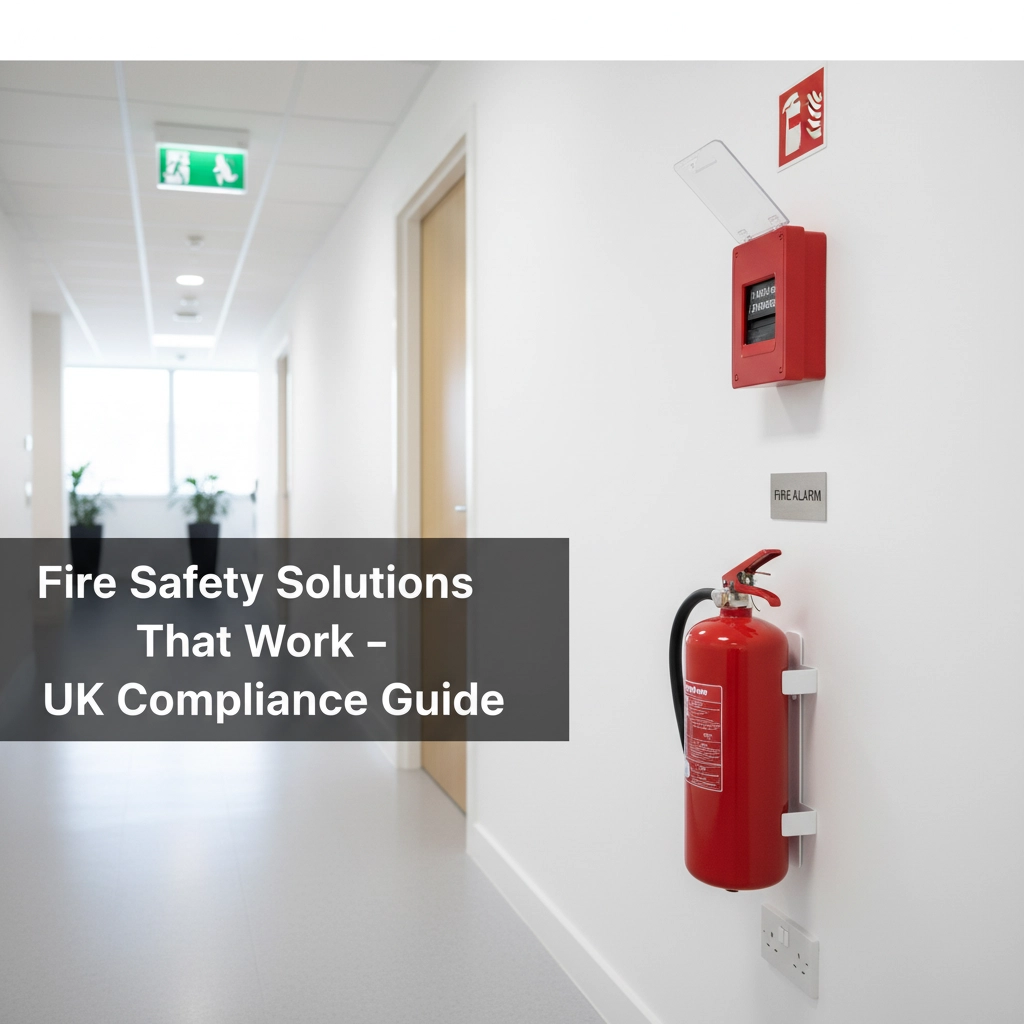
Fire alarm systems must comply with BS 5839-1 standards, with recent 2025 updates ensuring fire detection and alarm systems meet current safety requirements while helping reduce false alarms. Modern systems integrate advanced detection technologies with comprehensive monitoring capabilities.
Practical Implementation That Works
Comprehensive Fire Risk Assessment
The foundation of effective fire safety lies in thorough fire risk assessment conducted by qualified professionals. This assessment must identify potential fire hazards, evaluate risks to occupants, and determine necessary control measures. The process should consider all building aspects: construction, contents, occupancy patterns, and potential emergency situations.
Implementing Targeted Fire Safety Measures
Based on risk assessment findings, organisations must implement appropriate fire safety measures tailored to their specific circumstances. This extends beyond basic requirements to include physical fire protection systems, evacuation routes, emergency lighting, and firefighting equipment. For residential buildings, additional considerations now include enhanced protections for vulnerable residents.
Emergency Planning and Training
Effective emergency planning must extend beyond basic evacuation procedures to include detailed planning for vulnerable persons, coordination with local fire and rescue services, comprehensive staff training, and regular testing of evacuation procedures. Training must be comprehensive, regularly refreshed, and thoroughly documented.

Management Systems That Maintain Protection
Effective fire safety requires systematic management approaches ensuring all safety measures remain functional over time. Professional management systems include regular testing and maintenance of fire safety equipment, ongoing monitoring and audits, and comprehensive documentation demonstrating continuous compliance.
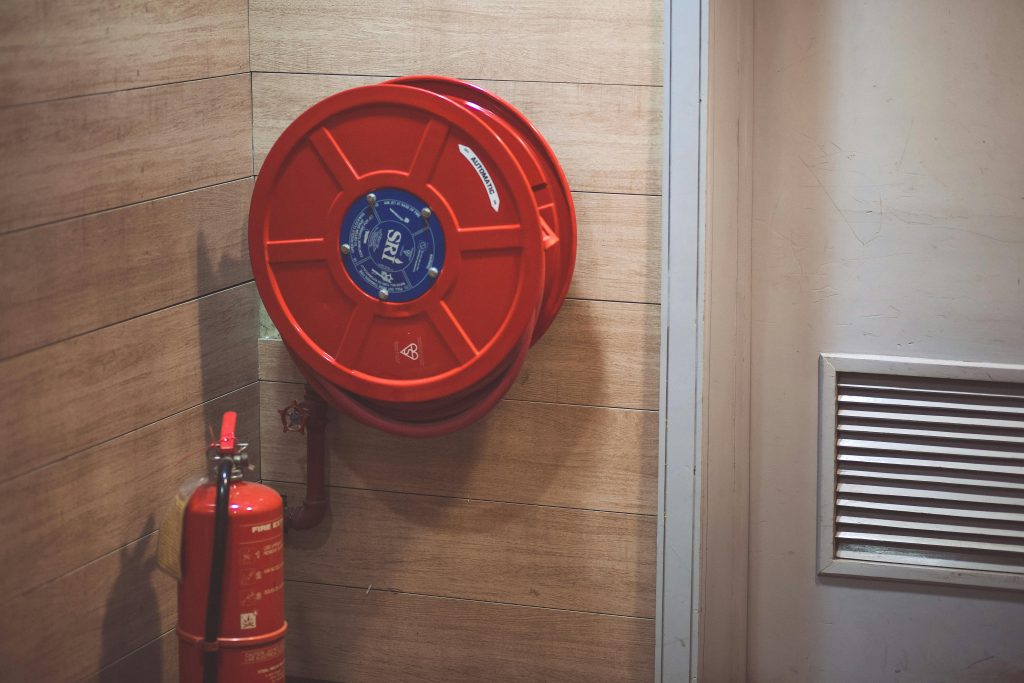
Fire safety equipment must undergo regular testing and maintenance to ensure functionality during emergencies. This includes fire alarm systems, emergency lighting, fire extinguishers, and evacuation routes. Documentation of all maintenance activities demonstrates ongoing compliance and identifies potential issues before they compromise safety.
Regular professional audits verify that fire safety systems remain effective while identifying improvement opportunities. Quality audits examine all aspects of fire safety provision, from physical measures to management procedures and staff training, considering how different safety elements work together to provide comprehensive protection.
Why Professional Expertise Matters
The complexity of modern fire safety compliance demands professional expertise that goes beyond basic knowledge. Qualified fire safety professionals understand the intricate relationships between different regulatory requirements, possess current knowledge of evolving standards, and can implement proven solutions that genuinely protect lives and property.
Professional fire safety services provide independent verification that safety arrangements meet current standards while identifying opportunities for enhancement. Expert assessment examines all aspects of fire safety provision, considering how different elements integrate to deliver comprehensive protection.
At RotherSec, we deliver complete fire safety solutions that meet evolving compliance requirements while providing genuine protection. Our certified professionals understand current regulations, implement proven systems, and provide ongoing support that ensures continuous compliance.
Our comprehensive approach covers fire risk assessment, system design and installation, ongoing maintenance, and compliance monitoring. We work with businesses across all sectors, from single sites to large organisations requiring nationwide coverage.
Complete compliance. Comprehensive protection. Trusted expertise.
The fire safety landscape continues evolving, with new requirements demanding updated approaches and professional implementation. Don’t risk non-compliance or inadequate protection. Contact our certified fire safety experts today to ensure your fire safety solutions actually work when they matter most.