

The telecommunications landscape across the UK is undergoing its most significant transformation in decades. By January 2027, Openreach and other network providers will complete the shutdown of the traditional Public Switched Telephone Network (PSTN), commonly referred to as “The Big Switch.” This transition affects millions of properties nationwide, and if your alarm system relies on traditional phone lines, you could face a complete security blackout without proper preparation.
The implications are stark: alarm systems that depend on analogue phone lines will simply stop working. No alerts. No monitoring. No emergency response. For businesses and homeowners who’ve invested in security infrastructure, this represents a critical vulnerability that demands immediate attention.
Understanding The Big Switch: What’s Actually Changing
The PSTN network has served as the backbone of UK telecommunications for over a century, connecting alarm systems to monitoring centres through copper wire telephone lines. This traditional infrastructure is being replaced entirely by Internet Protocol (IP) based digital networks, forcing a complete overhaul of how security systems communicate.

The transition isn’t optional. Network providers are systematically decommissioning analogue services across different regions, with the final nationwide shutdown scheduled for January 2027. For security professionals, this represents both a challenge and an opportunity to upgrade to more sophisticated, reliable monitoring technologies.
Modern alarm systems utilise broadband connections, mobile networks, and Wi-Fi communications to deliver faster, more reliable connectivity than traditional phone lines ever could. However, the transition requires careful planning and execution to maintain continuous protection throughout the changeover period.
Why Your Current Alarm System Might Fail
Traditional alarm systems communicate through dedicated telephone lines or shared voice lines using specific protocols designed for analogue networks. These systems send coded signals to monitoring centres when triggered, using technology that’s fundamentally incompatible with modern IP networks.
The compatibility gap extends beyond simple connectivity. Analogue alarm systems use different signalling protocols, transmission speeds, and error-checking methods compared to digital alternatives. Simply connecting an old system to a new network through an adapter rarely provides reliable long-term functionality.
Furthermore, many insurance policies specifically require functional alarm monitoring as a condition of coverage. If your system fails to communicate properly after The Big Switch, you could face significant financial exposure in addition to compromised security.
Step 1: Identify Your Current System Technology
Begin by determining exactly how your alarm system currently communicates with its monitoring centre. Check your control panel documentation, contact your monitoring company, or examine the physical connections to identify the communication method.
Traditional systems typically connect through:
- Dedicated telephone lines (PSTN)
- Shared voice lines using existing business phones
- Basic digital communicators over copper wire networks
Look for telltale signs of analogue technology: older control panels with telephone line inputs, separate phone line installations specifically for the alarm system, or monitoring contracts that reference “telephone line monitoring” rather than “IP monitoring” or “digital communications.”

Modern systems communicate through:
- Ethernet connections to broadband routers
- Wi-Fi connectivity to internet networks
- Mobile/cellular backup communications
- Hybrid systems combining multiple communication paths
If you’re uncertain about your system’s technology, professional assessment provides definitive answers and identifies potential upgrade requirements before the January 2027 deadline.
Step 2: Test Your System’s Communication Path
Conduct comprehensive testing to verify your alarm system’s ability to communicate reliably with its monitoring centre. This testing should occur during normal operating conditions and simulate various failure scenarios.
Standard communication tests include:
- Triggering test alarms during different times of day
- Verifying monitoring centre receipt of all signal types
- Testing backup communication methods if available
- Confirming proper signal transmission during internet outages
Document all test results and response times. Reliable systems should demonstrate consistent communication within specified time parameters, typically under 45 seconds for priority signals. Intermittent failures, delayed responses, or communication gaps indicate potential vulnerabilities that require immediate attention.
Professional monitoring companies can provide detailed communication logs and signal quality reports. These reports identify degraded performance that might not be apparent during basic user testing but could cause complete failure under stress conditions.
Step 3: Verify Monitoring Service Compatibility
Contact your alarm monitoring company directly to confirm their readiness for The Big Switch transition. Professional monitoring centres should have comprehensive migration plans and clear timelines for customer transitions.
Essential questions for your monitoring provider:
- Does their infrastructure support modern IP-based alarm communications?
- What specific equipment changes are required for your system?
- Are there any service interruptions planned during the transition period?
- What backup communication methods are available?
- How will the transition affect monthly monitoring costs?
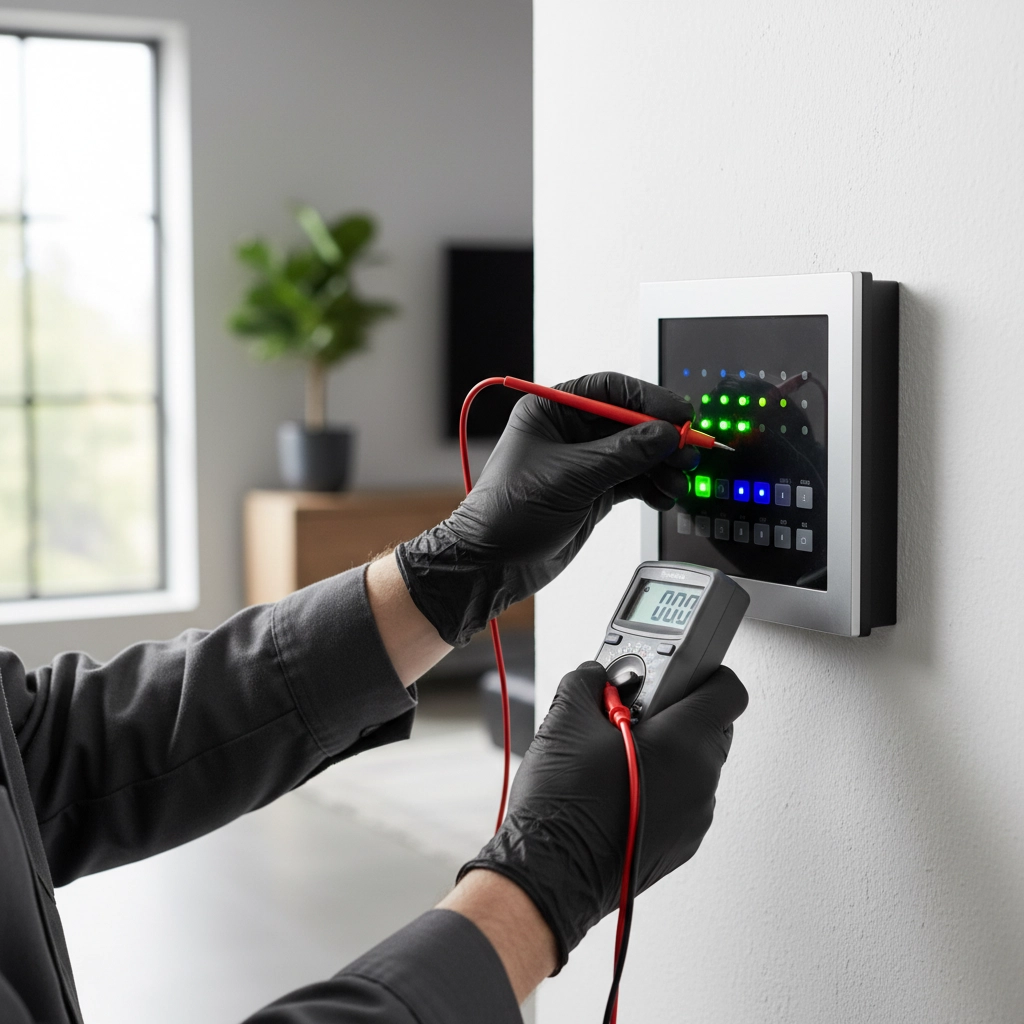
Reputable monitoring services will provide detailed transition plans, equipment recommendations, and clear communication about any service changes or cost implications. Vague responses or reluctance to discuss technical details may indicate inadequate preparation for the transition.
Some monitoring companies specialise in legacy system support and offer retrofit solutions for older equipment. However, these solutions often represent short-term fixes rather than comprehensive long-term security improvements.
Step 4: Assess Your Internet Infrastructure
Modern alarm systems require reliable, consistent internet connectivity to function properly. Evaluate your current internet service to ensure it can support 24/7 alarm monitoring requirements without compromising other business or household activities.
Critical infrastructure considerations include:
- Broadband speed and consistency
- Network reliability and uptime statistics
- Router and modem backup power arrangements
- Wi-Fi coverage throughout protected areas
- Bandwidth allocation for security communications
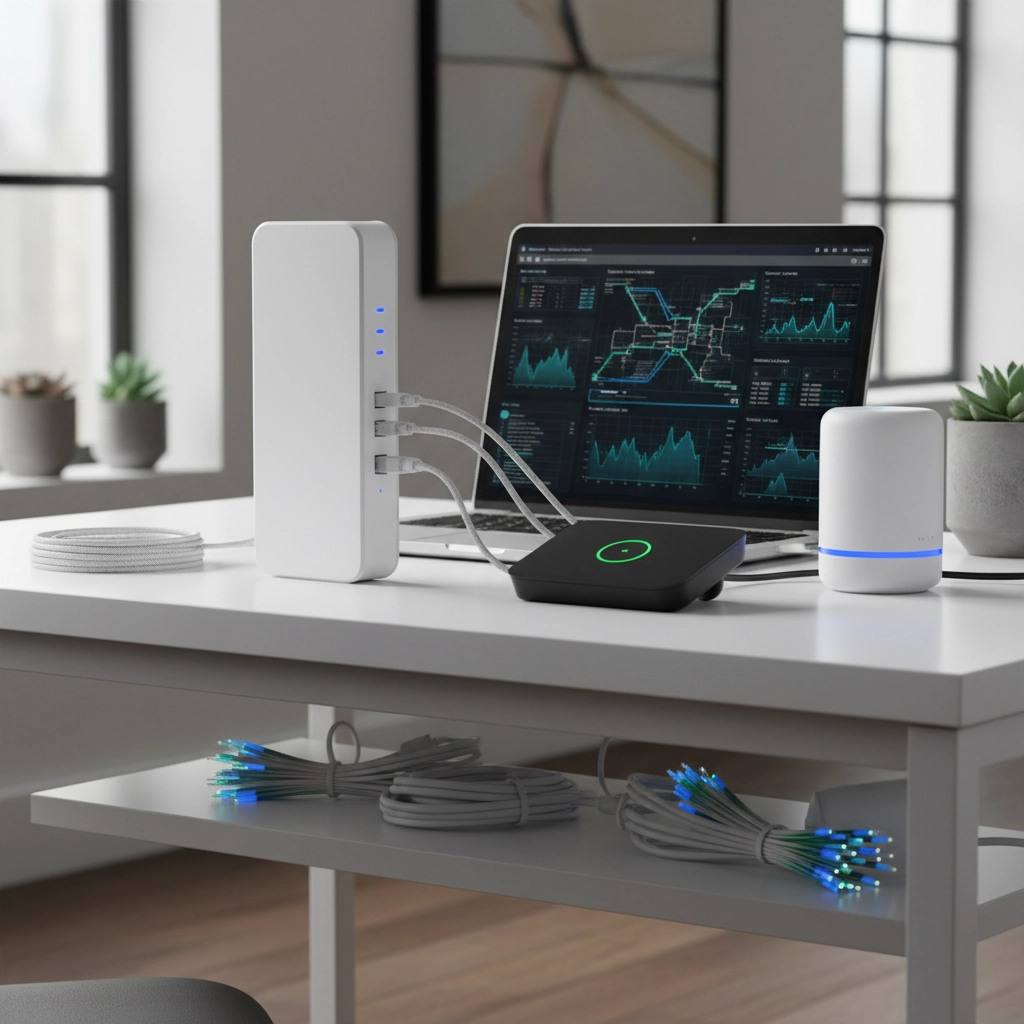
Professional security installations often require dedicated network segments or guaranteed bandwidth allocation to prevent interference from other internet activities. Consumer-grade internet services may require upgrading to business-class connections to support reliable alarm monitoring.
Consider installing uninterruptible power supplies (UPS) for networking equipment to maintain connectivity during power outages. Many modern alarm systems include integrated battery backup, but this protection is meaningless if the internet connection fails simultaneously.
Step 5: Plan Your Upgrade Timeline
Create a detailed transition schedule that allows adequate time for equipment procurement, installation, testing, and system commissioning before the January 2027 deadline. Rushing security upgrades often leads to inadequate testing and potential vulnerabilities.
Recommended timeline considerations:
- Equipment specification and procurement: 2-3 months
- Professional installation and configuration: 2-4 weeks
- System testing and optimisation: 2-4 weeks
- Staff training and procedure updates: 1-2 weeks
- Contingency buffer for unexpected complications: 1 month
Popular security equipment may experience supply shortages as the deadline approaches. Early planning ensures access to preferred systems and avoids forced compromises due to limited equipment availability.
Professional installation companies also face increased demand leading up to the transition deadline. Securing installation dates well in advance prevents delays that could leave properties unprotected.
Taking Action: Upgrade Options and Solutions
Properties with analogue alarm systems have several upgrade paths, each offering different levels of security enhancement and future-proofing. The optimal solution depends on existing infrastructure, security requirements, and budget considerations.
Retrofit solutions modify existing systems with new communication modules that connect to internet networks. While cost-effective, these solutions often limit access to advanced features available in modern security platforms.
Complete system replacement provides access to contemporary security technologies including smartphone integration, video verification, smart home connectivity, and advanced analytics. Although requiring higher initial investment, modern systems often deliver superior performance and lower long-term maintenance costs.
Professional Assessment and Installation
The complexity of alarm system transitions requires professional expertise to ensure reliable, compliant installations. RotherSec provides comprehensive assessment services to evaluate existing systems, recommend optimal upgrade paths, and deliver complete installation and commissioning services.
Our certified technicians understand the technical requirements of modern IP-based alarm communications and ensure seamless transitions that maintain continuous security coverage throughout the upgrade process.
Professional installation includes comprehensive testing, staff training, and ongoing support to maximise the performance and reliability of upgraded security systems. We deliver complete solutions that provide confidence, compliance, and long-term protection.
Complete assessment. Professional installation. Reliable protection.
For comprehensive security system assessment and professional upgrade services, contact RotherSec through our security services page or reach out directly via our contact page.