
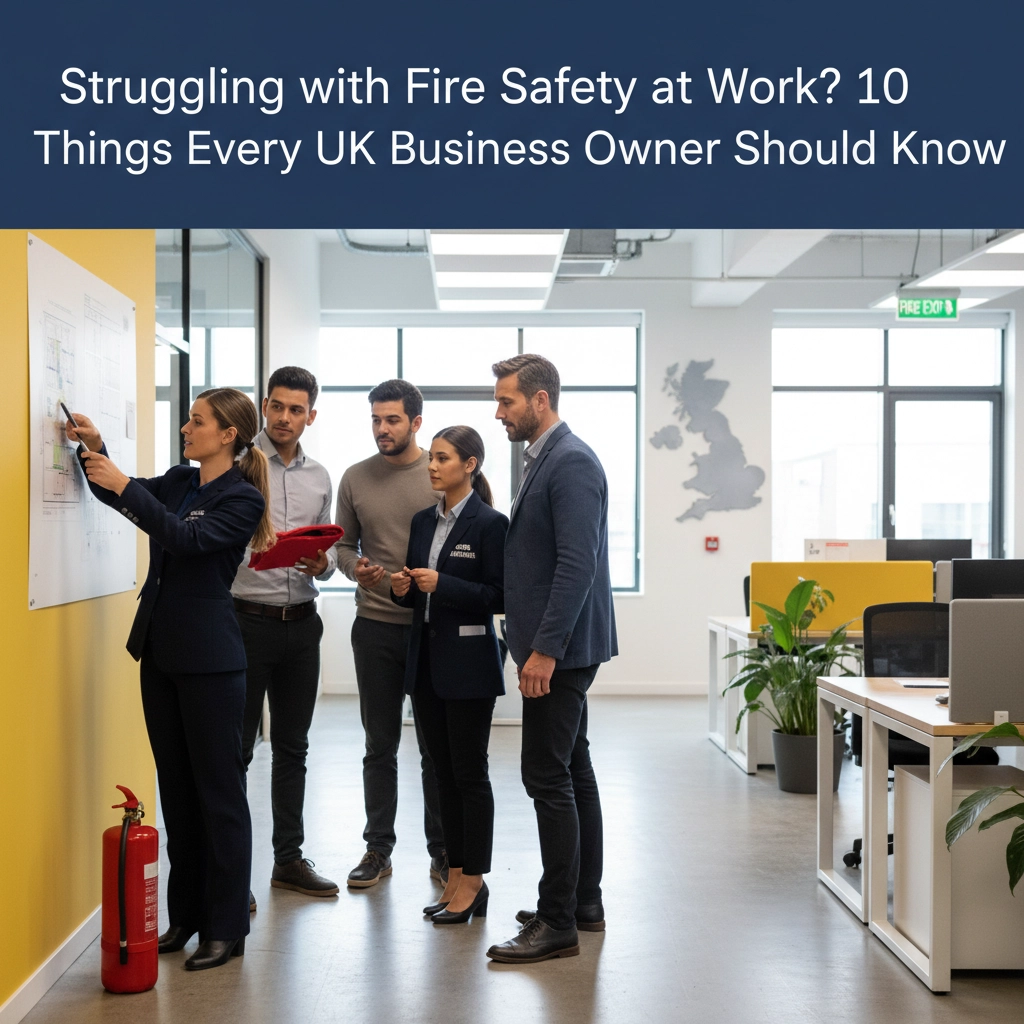
Fire safety compliance isn’t optional: it’s a legal requirement that protects lives and secures your business future. Every year, workplace fires cost UK businesses millions in damages, lost productivity, and legal penalties. Understanding your responsibilities under current fire safety legislation ensures comprehensive protection for your premises, people, and profits.
The Regulatory Reform (Fire Safety) Order 2005 places the burden of fire safety squarely on business owners and designated responsible persons. Whether you operate a small office, manufacturing facility, or retail space, these ten essential requirements form the foundation of complete fire safety compliance.
1. You Are Legally Responsible Under the Fire Safety Order 2005
The Regulatory Reform (Fire Safety) Order 2005 makes you, as the business owner or responsible person, legally accountable for fire safety in your workplace. This comprehensive legislation applies to virtually all non-domestic premises in England and Wales, covering offices, shops, factories, warehouses, and hospitality venues.
Your legal duties include conducting fire risk assessments, implementing preventive measures, maintaining fire safety equipment, and ensuring all occupants can evacuate safely. Failure to comply can result in unlimited fines, imprisonment up to two years, or prohibition notices that shut down your operations immediately.
The legislation emphasizes risk-based approaches rather than prescriptive solutions. This means you must assess your specific premises and implement appropriate measures based on identified hazards, occupancy levels, and building characteristics.
Legal. Comprehensive. Non-negotiable.
2. Fire Risk Assessments Must Be Documented and Reviewed
Conducting regular fire risk assessments represents the cornerstone of workplace fire safety. If you employ five or more people, you must maintain written records of your assessment findings, implemented control measures, and review schedules.
Your fire risk assessment must identify potential fire hazards including ignition sources, combustible materials, and structural vulnerabilities. Document all persons at risk, including employees, visitors, contractors, and individuals requiring assistance during emergencies.
The assessment process involves five key steps:
- Identify fire hazards and people at risk
- Evaluate existing fire safety measures
- Remove or reduce identified risks
- Record findings and implement action plans
- Review and update assessments regularly
Professional fire risk assessments ensure BS 9999 compliance and provide defensible documentation should incidents occur. Many insurance policies require current, professionally conducted assessments to maintain coverage validity.
3. Fire Detection and Alarm Systems Require Professional Installation
Adequate fire detection and warning systems form your first line of defence against developing fires. The appropriate system depends on your premises size, occupancy patterns, fire load, and evacuation capabilities.
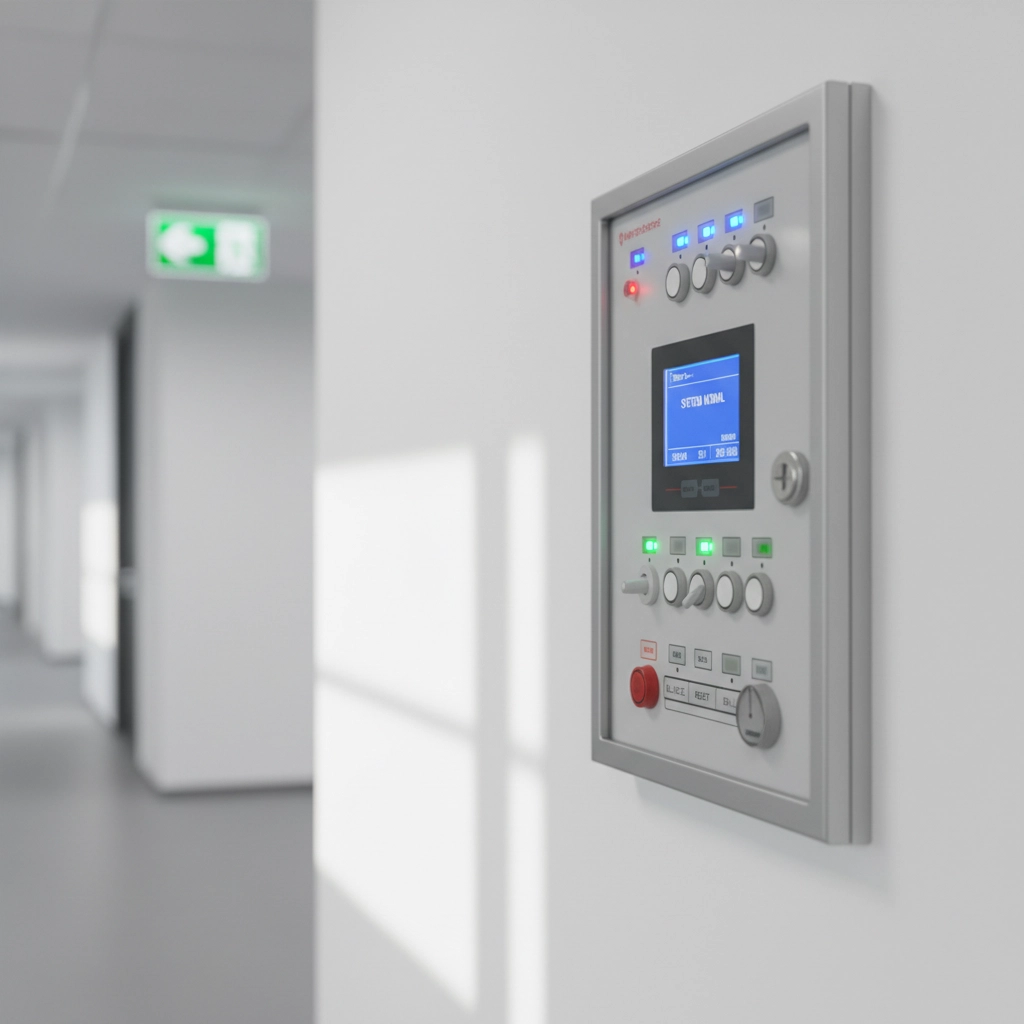
Modern fire detection systems integrate smoke detectors, heat sensors, and manual call points with central control panels. These systems must comply with BS 5839 standards and require regular maintenance by certified technicians.
Consider these essential components:
- Smoke detection in high-risk areas
- Heat detection in kitchens and plant rooms
- Manual call points at exit routes
- Audible alarms throughout premises
- Visual warning devices where required
Wireless systems offer flexible installation options for older buildings, while addressable systems provide precise location identification for large or complex premises. Regular testing ensures reliable operation when seconds matter most.
Certified. Reliable. Life-saving.
4. Emergency Evacuation Plans Must Be Practiced and Updated

Comprehensive emergency evacuation procedures ensure orderly, safe building evacuation during fire incidents. Your evacuation plan must account for all building occupants, including visitors unfamiliar with escape routes and individuals requiring assistance.
Key evacuation planning elements include:
- Clear escape route identification and marking
- Designated assembly points at safe distances
- Fire marshal assignments and responsibilities
- Communication procedures during emergencies
- Special provisions for disabled persons
Regular evacuation drills test your procedures and familiarize occupants with escape routes. Document drill results and address identified weaknesses through training or procedural updates.
Consider different emergency scenarios including blocked exits, multiple floor evacuations, and after-hours incidents with minimal occupancy. Effective evacuation planning saves lives when primary escape routes become compromised.
5. Staff Training Creates Your Human Fire Safety Network
Every employee requires fire safety training appropriate to their role and workplace hazards. Basic training covers fire prevention, alarm procedures, evacuation routes, and assembly point locations.
Designated fire marshals need enhanced training including search procedures, communication protocols, and liaison responsibilities with emergency services. Refresher training ensures knowledge retention and addresses procedural changes.
Training topics should include:
- Fire hazard recognition and reporting
- Alarm activation procedures
- Evacuation route familiarity
- Assembly point procedures
- Fire extinguisher limitations and appropriate use
Document all training activities and maintain individual training records. New employees must receive fire safety induction before starting work, with role-specific training completed within prescribed timeframes.
Trained. Prepared. Protected.
6. Fire Extinguishers and Equipment Need Strategic Positioning

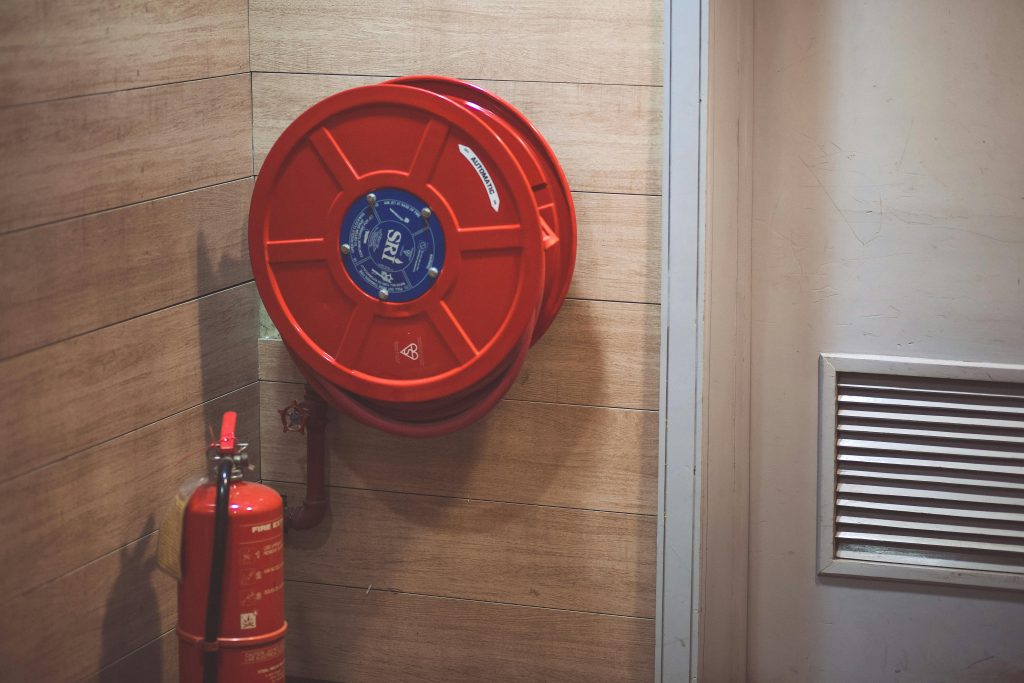
Portable fire extinguishers provide immediate fire suppression capability when properly selected, positioned, and maintained. Different extinguisher types suit specific fire classes, making professional assessment essential for optimal protection.
Common extinguisher types include:
- Water extinguishers for ordinary combustibles
- Foam extinguishers for flammable liquids
- CO2 extinguishers for electrical equipment
- Powder extinguishers for multiple fire classes
- Wet chemical extinguishers for cooking oils
Position extinguishers within 30 metres of potential fire sources, ensuring clear access and visibility. Mount extinguishers at consistent heights with appropriate signage for quick identification during emergencies.
Annual servicing by certified technicians maintains extinguisher reliability and ensures compliance with BS 5306 standards. Replace damaged or discharged extinguishers immediately to maintain continuous protection levels.
7. Escape Routes Demand Continuous Maintenance
Emergency escape routes must remain unobstructed, clearly marked, and adequately lit at all times. Regular inspections identify potential blockages, damaged signage, or lighting failures that compromise evacuation safety.
Essential escape route features include:
- Minimum width requirements based on occupancy
- Non-slip surfaces and secure handrails
- Emergency lighting with battery backup
- Clear directional signage meeting BS 5499 standards
- Final exit doors opening outward
Emergency lighting systems require monthly function tests and annual duration tests to ensure reliable operation during power failures. Replace failed lamps immediately and maintain test records for compliance documentation.
Consider escape route alternatives for different emergency scenarios. Multiple escape routes provide options when primary routes become blocked or compromised by fire or smoke.
Clear. Accessible. Reliable.
8. Good Housekeeping Prevents Fire Start and Spread
Effective housekeeping eliminates fire hazards and reduces combustible material accumulation throughout your premises. Regular cleaning schedules and waste management procedures maintain safe working conditions.
Key housekeeping practices include:
- Regular waste removal and secure storage
- Combustible material storage in designated areas
- Electrical equipment maintenance and inspection
- Hot work permit procedures for maintenance activities
- Smoking policy enforcement and designated areas
Implement storage standards that separate incompatible materials and limit quantities in work areas. Maintain clear access to fire safety equipment and ensure escape routes remain unobstructed during all operations.
Document housekeeping inspections and address identified deficiencies promptly. Poor housekeeping contributes significantly to fire development and spread, making prevention efforts cost-effective investments.
9. Maintenance and Hot Work Require Special Precautions

Maintenance activities involving heat, sparks, or naked flames present elevated fire risks requiring special control measures. Hot work permits document safety precautions and authorise specific activities in designated areas.
Hot work permit systems should address:
- Pre-work area preparation and combustible removal
- Fire watch assignments during and after work
- Appropriate fire extinguisher provision
- Post-work inspection procedures
- Contractor training and competency verification
Temporary electrical installations require professional assessment to prevent overloading and ensure safe connections. Portable appliance testing (PAT) identifies electrical hazards before they cause incidents.
Schedule maintenance activities during periods of minimum occupancy when possible. Coordinate with fire detection system providers to manage alarm responses during legitimate maintenance activities.
10. Documentation and Record Keeping Demonstrate Compliance
Comprehensive record keeping demonstrates fire safety compliance and supports legal defences should incidents occur. Maintain current documentation for all fire safety systems, training activities, and inspection results.
Essential records include:
- Fire risk assessment reports and reviews
- Fire detection system maintenance certificates
- Emergency lighting test results
- Fire extinguisher service records
- Staff training documentation
- Evacuation drill reports
Store records securely with backup copies maintained off-site. Insurance claims and legal proceedings often require historical documentation proving ongoing compliance efforts.
Digital record systems provide searchable databases and automatic reminder systems for scheduled activities. Professional fire safety management services ensure complete documentation and regulatory compliance.
Documented. Compliant. Defensible.
Comprehensive Fire Safety Requires Professional Expertise
Fire safety compliance demands technical knowledge, regulatory understanding, and ongoing commitment to maintaining safe working environments. Professional fire safety consultants provide the expertise necessary for complete protection programs that satisfy legal requirements while minimizing business disruption.
RotherSec delivers comprehensive fire safety solutions combining risk assessment expertise, system design capabilities, and maintenance services. Our certified technicians ensure your fire safety measures meet current standards while providing the reliability your business demands.
From initial risk assessments to ongoing system maintenance, professional fire safety management protects your people, property, and business continuity. Contact our team to discuss your specific requirements and discover how complete fire safety compliance supports your operational success.