
Your security system is only as reliable as the maintenance it receives. Yet countless British homeowners and business owners make critical mistakes that leave their properties vulnerable when protection matters most. These oversights don’t just compromise security – they can invalidate insurance claims, breach compliance requirements, and cost thousands in emergency repairs.
We’ve identified seven maintenance mistakes that occur repeatedly across residential and commercial properties. Each represents a failure point that transforms your trusted security investment into a liability. Here’s how to identify these issues and implement proven solutions before they compromise your safety.
Mistake 1: Neglecting Regular System Inspections
The most fundamental error involves treating security systems as “fit and forget” installations. Components degrade over time, environmental factors affect performance, and minor issues escalate into system failures without routine oversight.
Professional security systems require systematic inspection schedules. Cameras accumulate dirt and moisture, sensors drift from optimal positioning, and control panels develop intermittent faults that go unnoticed until emergencies arise.
The Complete Fix: Establish monthly inspection protocols covering all system components. Document findings in maintenance logs that track performance trends and identify recurring issues. Schedule quarterly professional assessments to verify compliance with BS EN 50131 standards and manufacturer specifications.
Create inspection checklists covering camera clarity, sensor responsiveness, control panel functionality, and communication pathways. This systematic approach prevents small problems becoming catastrophic failures.
Mistake 2: Failing to Test Emergency Response Procedures
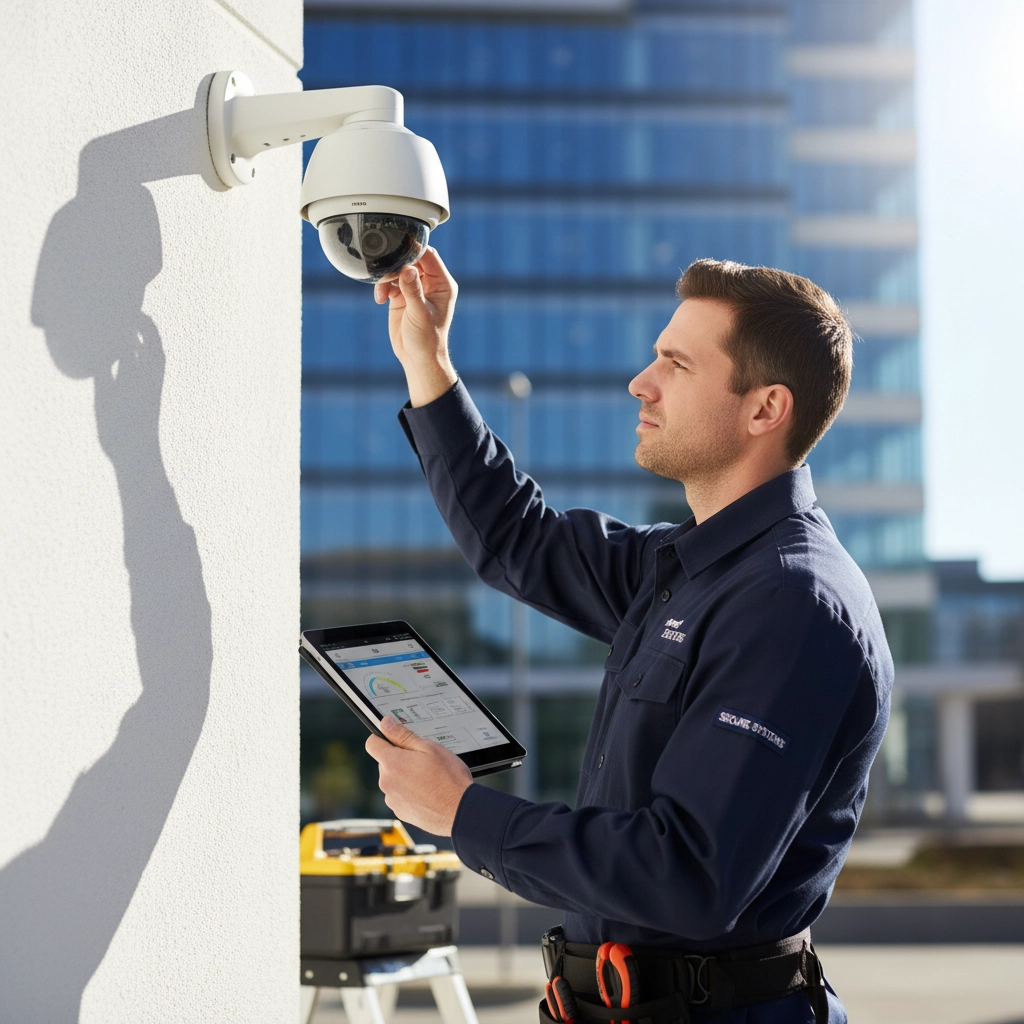
Many property owners install comprehensive security systems but never verify the complete alarm response chain. Testing individual components isn’t sufficient – you must confirm that detected threats trigger appropriate responses from monitoring stations, emergency services, and designated keyholders.
Incomplete testing leaves gaps in understanding how your system performs during actual emergencies. Response delays, communication failures, and procedural confusion often emerge during real incidents because testing protocols were inadequate.
The Complete Fix: Conduct monthly full-system tests simulating genuine alarm conditions. Coordinate with your monitoring provider to verify signal reception, response protocols, and escalation procedures. Test backup communication methods including GSM, IP, and telephone line connections.
Document response times, communication clarity, and any procedural issues. Share findings with all stakeholders to ensure everyone understands their roles during emergencies.
Mistake 3: Ignoring Battery Management Protocols
Battery failures represent the single most common cause of security system breakdowns. Wireless sensors, backup power supplies, and communication devices rely on battery power that degrades predictably over time. Yet many property owners only discover battery issues when systems fail during power outages or component malfunctions.
Lithium and alkaline batteries have specific lifespan characteristics that vary with usage patterns, environmental conditions, and device requirements. Ignoring these patterns creates vulnerabilities that compromise entire system integrity.
The Complete Fix: Implement battery replacement schedules based on manufacturer specifications and usage monitoring. Install low-battery alert systems that provide advance warning before critical failures occur.
Maintain battery inventory appropriate for your system configuration. Track replacement dates, battery types, and performance patterns to optimise replacement intervals. Consider upgrading to longer-life battery technologies where appropriate.

Mistake 4: Overlooking Software Updates and Firmware Patches
Modern security systems incorporate sophisticated software requiring regular updates to maintain optimal performance and security. Cybersecurity vulnerabilities, operational bugs, and compatibility issues are addressed through firmware releases that many users ignore or delay installing.
Outdated software creates security holes that sophisticated attackers exploit. Additionally, performance optimisations and feature enhancements improve system reliability and functionality when properly maintained.
The Complete Fix: Enable automatic updates where available and establish protocols for manual update installation. Subscribe to manufacturer security bulletins and technical notifications to stay informed about critical patches.
Test updates in non-critical periods to verify compatibility and functionality. Maintain backup configurations before installing major updates to enable rapid recovery if issues arise.
Mistake 5: Misconfiguring Sensor Sensitivity Settings
Inappropriate sensitivity settings create two equally problematic scenarios: false alarms that undermine system credibility and desensitised detection that misses genuine threats. Both issues stem from poor understanding of environmental factors affecting sensor performance.
Motion detectors, vibration sensors, and glass-break detectors require calibration that accounts for normal building movements, HVAC operations, and ambient conditions. Generic factory settings rarely provide optimal performance for specific installation environments.
The Complete Fix: Professional calibration services ensure sensors operate within optimal sensitivity ranges for your specific environment. Regular recalibration accounts for seasonal changes, building modifications, and equipment aging that affects performance.
Document sensitivity settings and performance baselines to track changes over time. Train occupants to recognise normal system behaviour versus potential malfunctions requiring attention.
Mistake 6: Inadequate Cybersecurity Maintenance
Connected security systems face evolving cybersecurity threats requiring active defence measures beyond initial installation security. Default passwords, unencrypted communications, and outdated security protocols create vulnerabilities that compromise entire systems.
Smart security devices often ship with minimal security configurations that prioritise ease of installation over robust protection. Without ongoing cybersecurity maintenance, these systems become entry points for sophisticated attacks.
The Complete Fix: Implement comprehensive cybersecurity protocols including strong password policies, multi-factor authentication, and encrypted communications. Regular security audits identify vulnerabilities and ensure compliance with current best practices.
Network segmentation isolates security systems from other connected devices, limiting potential attack vectors. Monitor system access logs and implement intrusion detection to identify unauthorised access attempts.
Mistake 7: Insufficient Backup Power Planning
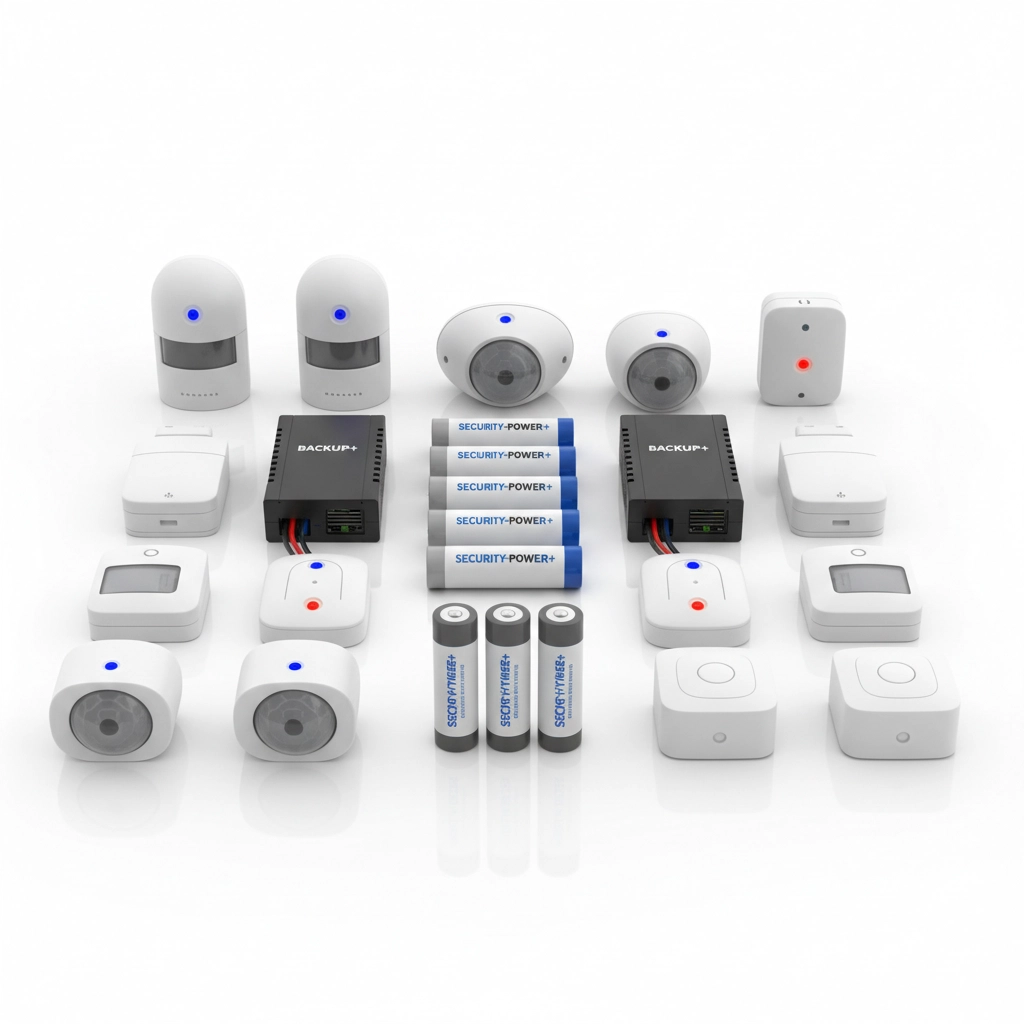
Power failures expose the inadequacy of backup power systems that haven’t been properly maintained or appropriately specified. Many installations include minimal backup capacity that fails during extended outages when security is most critical.
Battery backup systems require regular testing and maintenance to ensure reliable operation. Capacity diminishes over time, and charging systems develop faults that go unnoticed until emergencies occur.
The Complete Fix: Specify backup power systems with adequate capacity for extended operation during power failures. Regular load testing verifies actual versus rated performance and identifies degradation requiring attention.
Consider uninterruptible power supplies (UPS) for critical components and backup generators for extended outage scenarios. Maintenance contracts ensure professional oversight of backup power systems and compliance with relevant standards.

Professional Maintenance: The Complete Solution
These seven mistakes share common characteristics: they’re preventable through systematic maintenance, they escalate quickly when ignored, and they compromise security when it matters most. Professional maintenance programmes address all these issues through comprehensive protocols that ensure consistent system reliability.
At RotherSec, we deliver complete maintenance solutions that eliminate these common failures through proven protocols, certified expertise, and accountable service delivery. Our maintenance programmes ensure your security investment provides reliable protection whilst maintaining compliance with relevant British Standards.
Professional security maintenance encompasses systematic inspections, proactive component replacement, and comprehensive testing that prevents failures before they compromise your security. This approach delivers measurable improvements in system reliability, compliance maintenance, and overall protection effectiveness.
Taking Action: Your Next Steps
Security system maintenance isn’t optional – it’s essential for reliable protection and regulatory compliance. Each mistake we’ve identified represents a failure point that sophisticated threats exploit and that insurance investigators scrutinise following incidents.
Don’t wait for system failures to reveal maintenance inadequacies. Professional assessment identifies current vulnerabilities and establishes maintenance protocols that ensure consistent protection.
Contact our security experts for comprehensive maintenance assessments that identify specific issues affecting your system performance. We provide detailed reports, prioritised recommendations, and maintenance programmes that eliminate these common mistakes.
Proven expertise. Complete protection. Total confidence.